
Natural Gas Tankless Installation Setups in Port St. Lucie
Only 4.9% of occupied Port St. Lucie homes heat with utility gas, by the Census Bureau's count, so a gas tankless job here is often the first gas appliance in the house. Florida City Gas holds the city's natural gas franchise, and it serves only the streets its mains reach. Where gas is available, it gives the most flow of any fuel, as much as 11 gallons a minute for a natural gas unit in This Old House's size table.
Gas Tankless on an Existing FCG Account
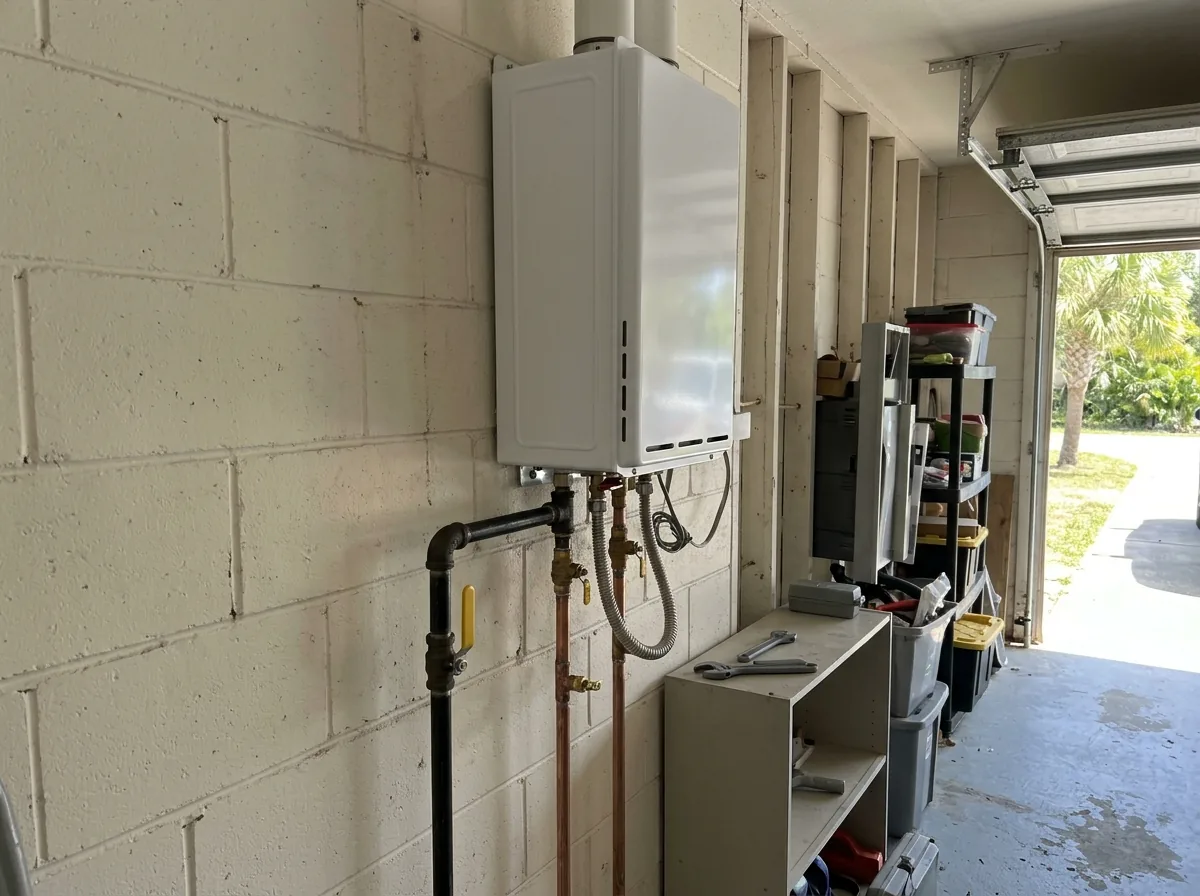
If the house already has a meter and a gas tank heater, the swap is simpler but not a straight trade. Per Rinnai's FAQ, a gas pipe that's too small strains a tankless unit and may cut years off it, so the line from the meter may need a bigger pipe (gas line sizing). The old tank's vent can't be reused either. Rinnai's chart shows why the effort pays off here: with 72°F groundwater, a 199,000 Btu unit delivers 7.9 gallons a minute, enough for two showers and a sink together.
- Rinnai RL94i: 199,000 Btu/h maximum, 3/4-inch gas inlet, 5.0 inches water column minimum supply pressure
- FCG rebate when replacing a gas appliance: up to $550
New Florida City Gas Service for a Tankless Switch
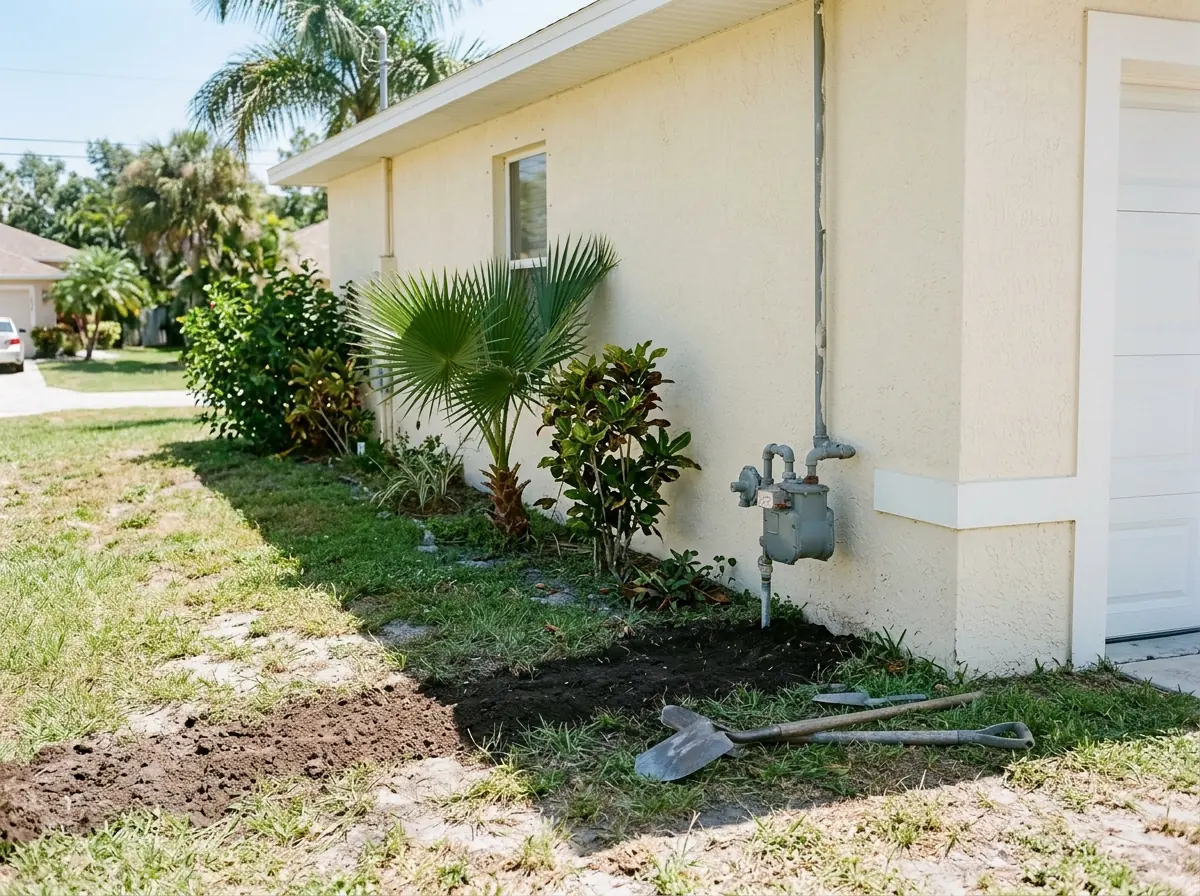
A house on an FCG street with no service yet needs a new meter before the heater. FCG advertises incentives of up to $1,700 for customers along its main, and its rebate site lists the tankless rebate at up to $675 when it replaces an electric heater. The utility also runs a tankless payment plan for qualified customers switching from electric: $42.99 a month for 60 months, $2,579.12 in all. Ask the plumber whether the quote assumes the rebate, and who files for it.
Indoor Gas Units on a Garage Wall
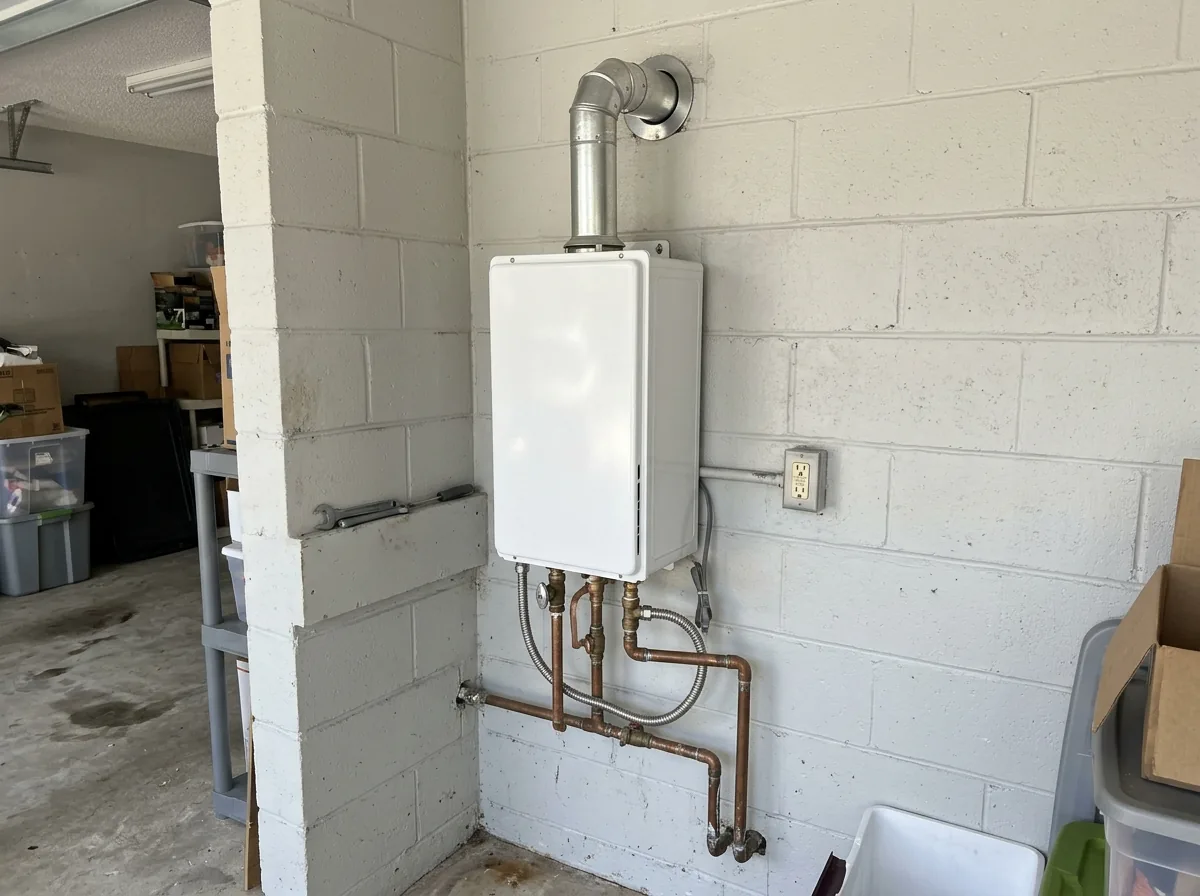
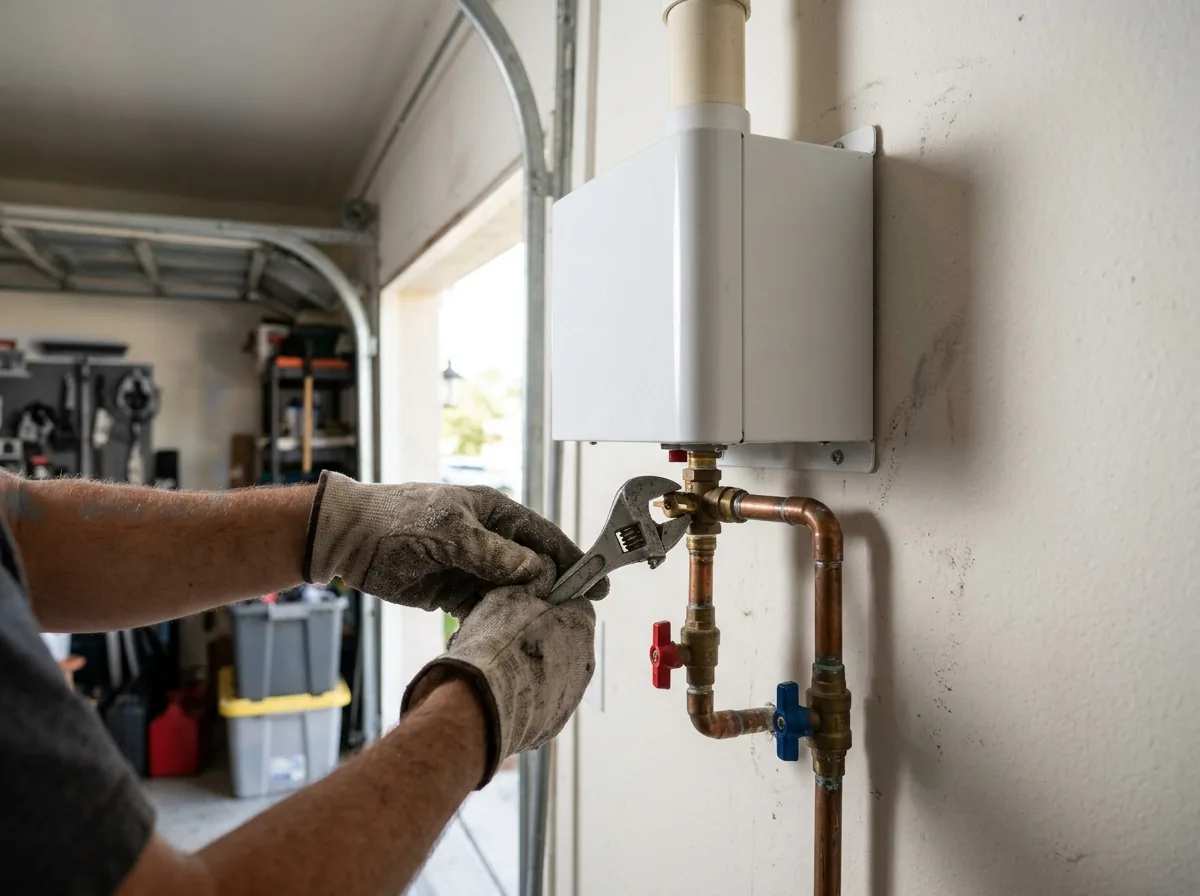
With an attached garage, an indoor unit usually goes up close to where the tank stood. Indoor units like Rinnai's VB series are direct vent: they draw combustion air from outside and push exhaust back out through the wall. The vent must follow the maker's instructions, and Rinnai's manual forbids tying it into an existing vent or chimney. The terminal's distances from windows, doors and grade are on the venting page. The unit also needs a 120-volt outlet.
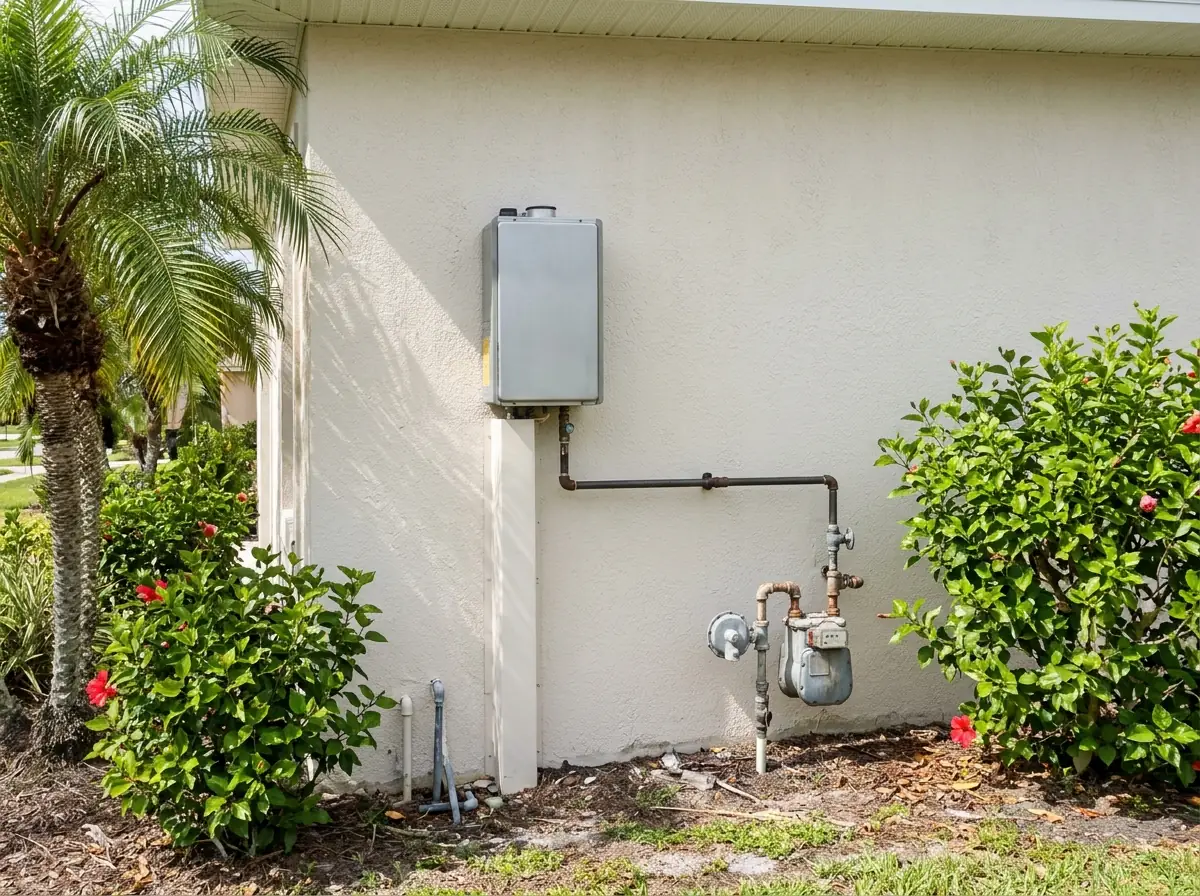
Exterior-Wall Gas Units Near the Meter
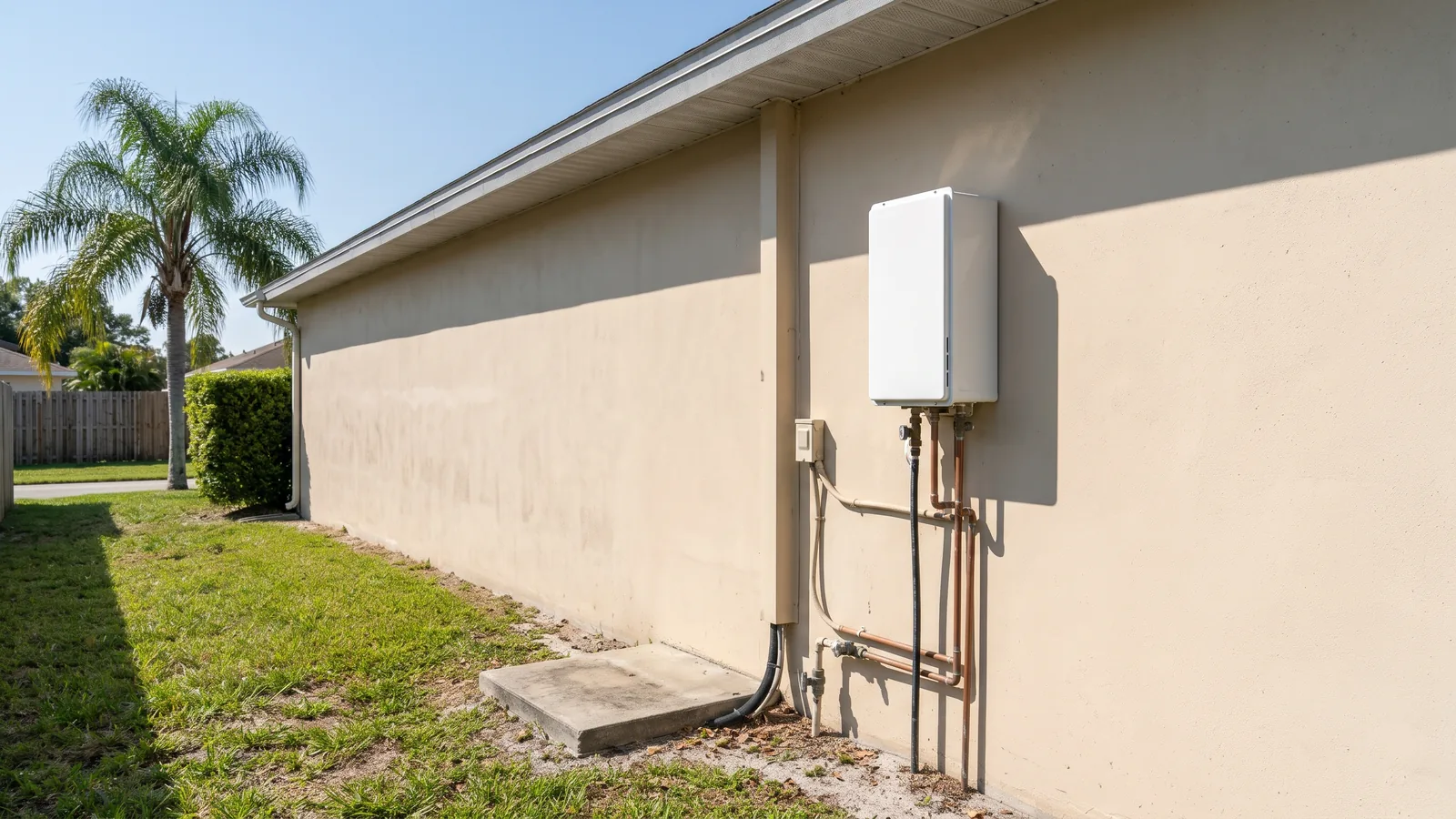
Outdoor-only models hang on the house wall with the vent built into the cabinet, which keeps the garage clear and can shorten the gas run from the meter. Rinnai's outdoor manual sets the working limits:
- 24 inches clear in front for service and exhaust; 12 inches above and below to combustibles
- 120-volt power with a disconnect switch rated for outdoor use
- Clearance from the gas meter and regulator: in the US, set by local code and the gas supplier, so the plumber should confirm it with Florida City Gas
Before hurricane season, read up on power outages, since an outdoor gas unit still needs electricity.
Why Port St. Lucie homeowners and businesses call Port St. Lucie Tankless Water Heater
- Sending a request is free and doesn't commit you to anything
- Your details go to one licensed plumber, never a list of callers
- Ask for the unit's flow rate at your water temperature in writing
- Ask who files the city permit and books the inspection
- The referral adds nothing to the plumber's price
Natural Gas Tankless Cost: Unit, Line, Vent and Permits
The guides disagree on the total, but they agree on where the money goes. HomeGuide puts the unit at $1,500 to $2,600 and the finished install at $2,100 to $5,600. This Old House splits it into $750 to $2,000 for the unit and $900 to $1,500 for the install. Angi estimates natural gas units cost about $200 a year to run. The extras come from the gas line, the vent and the paperwork: the city's permit and plan review applies, and gas piping can need a gas permit of its own.
The federal 25C credit no longer applies to heaters installed after 2025 (tax credit status), even though some cost guides still quote it. The FCG rebate is the incentive that's left, so get its current terms in writing before you sign.
License Scope: Who Can Run the Gas, Water and Vent
Florida's statute defines a plumbing contractor's work to include water lines, natural gas and liquefied petroleum gas lines and the venting that goes with them, with no extra local license required. That means one plumbing contractor can install the heater, the gas pipe and the vent. Work belonging to another trade, like a new electrical circuit, must be subcontracted to a contractor qualified in that field.
The state licenses plumbing contractors under two codes. CF is a certified license good anywhere in Florida. RF is a registered license limited to the local area where it was issued. Look up the number on the DBPR site at myfloridalicense.com before work starts. The city's water heater permit form asks for that same state license number. One narrow exception in the statute: LP gas dealers and installers licensed under chapter 527, and gas-utility employees, don't need plumbing certification just to disconnect and reconnect the water lines when servicing or replacing an existing water heater.