
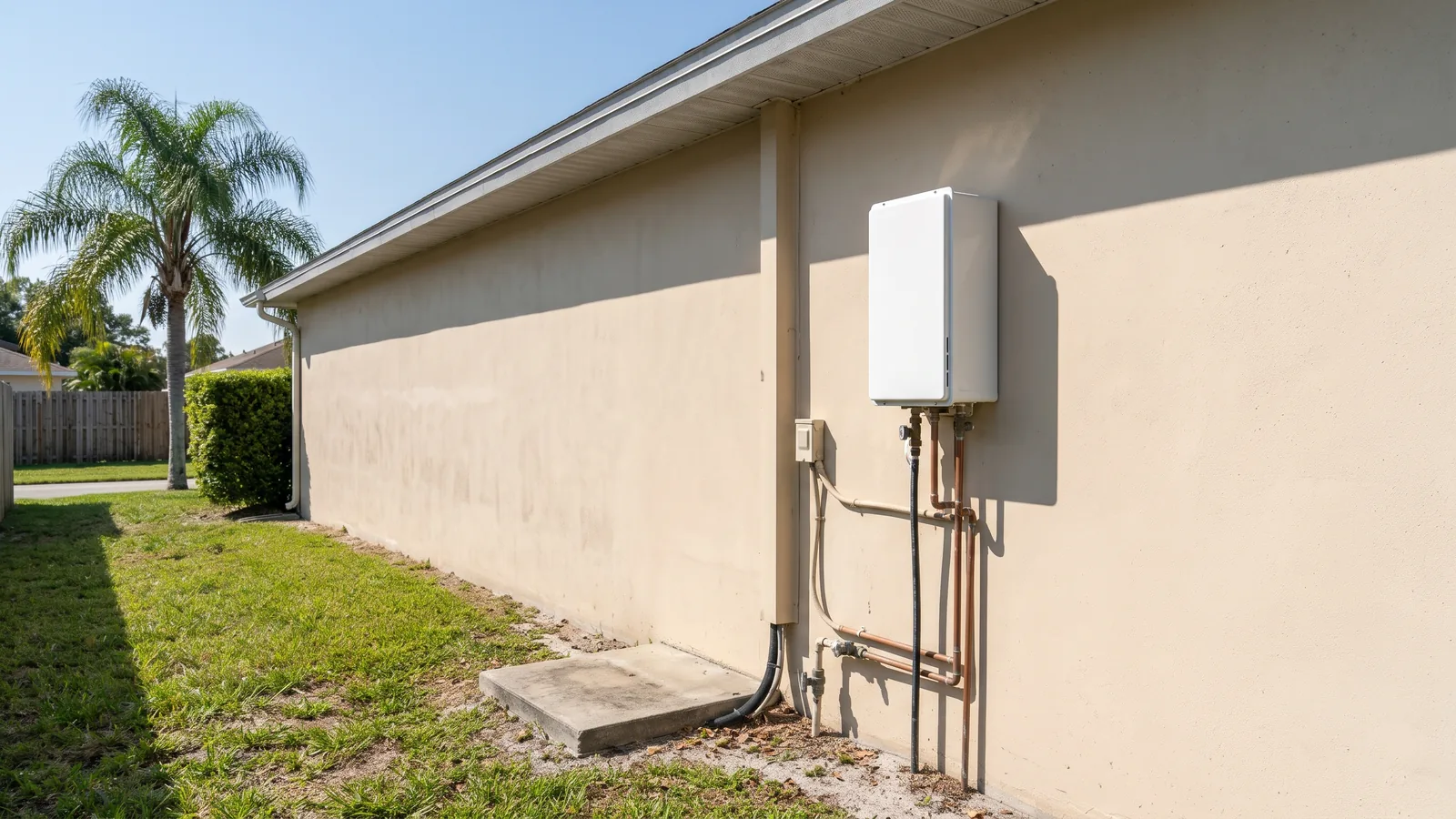
Gas Piping Jobs Behind a Tankless Install
A tankless burner lights only when a hot tap opens, and then it can pull its full rated input. The pipe has to carry that peak plus whatever else in the house might be burning, so it pays to check the gas line before choosing the heater.
Sizing the Pipe from Meter to Heater
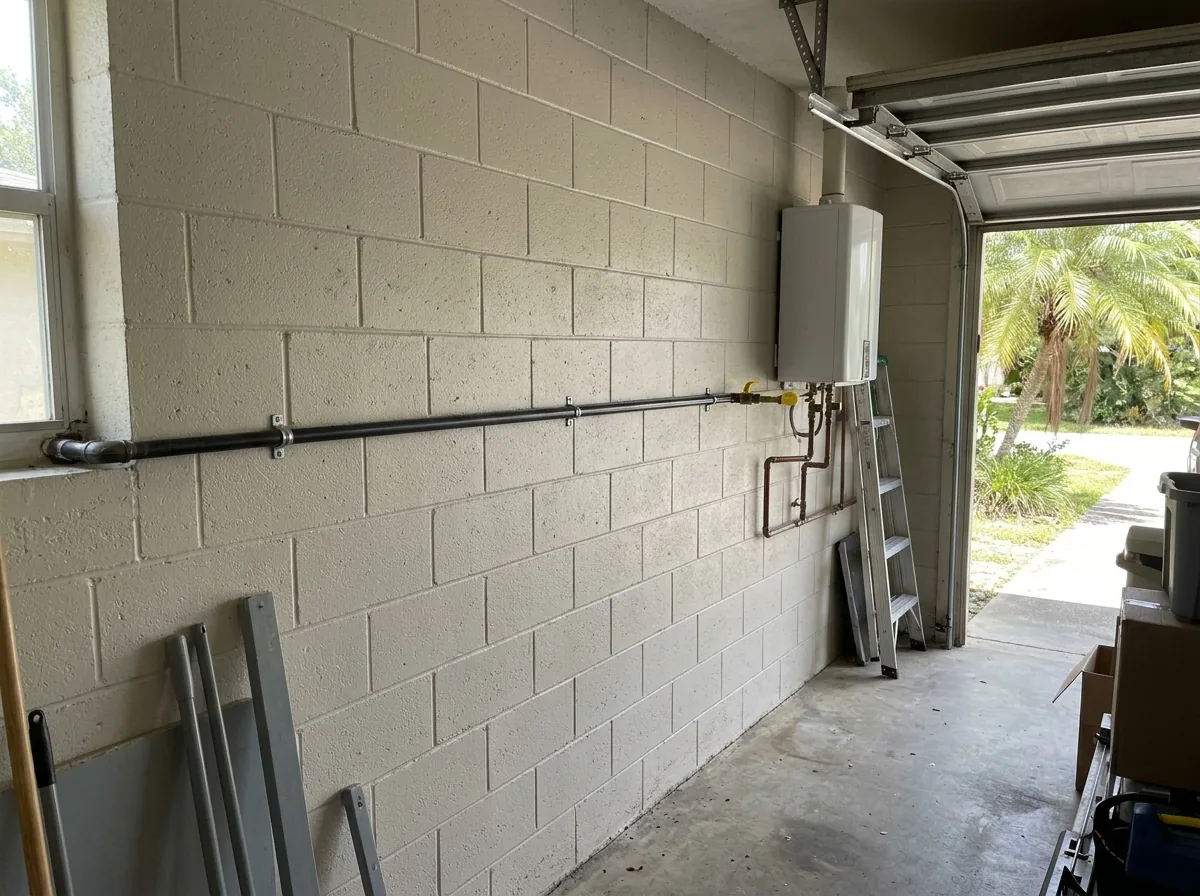
Florida's fuel gas code sizes the pipe for every gas appliance in the house running at full input at the same time, measured over the length of pipe from the meter to the farthest outlet. Rinnai's indoor manual lists 199,000 Btu an hour for its largest natural gas model. Florida City Gas's tariff puts each cubic foot of its gas at around 1,100 Btu, which means that single heater draws about 181 cubic feet an hour before the range or dryer is counted.
- Half-inch Schedule 40 pipe: 131 cubic feet an hour at 10 feet, 62 at 40 feet (FBC Fuel Gas Table 402.4(1)).
- Three-quarter-inch: 273 at 10 feet, 129 at 40 feet.
- One-inch: 514 at 10 feet, 243 at 40 feet.
Rinnai's FAQ accepts either size "as long as sufficient gas flow is available", and adds that a starved burner works harder and may not last as long. Ask to see the table row the plumber used.
Replacing an Undersized Branch Line
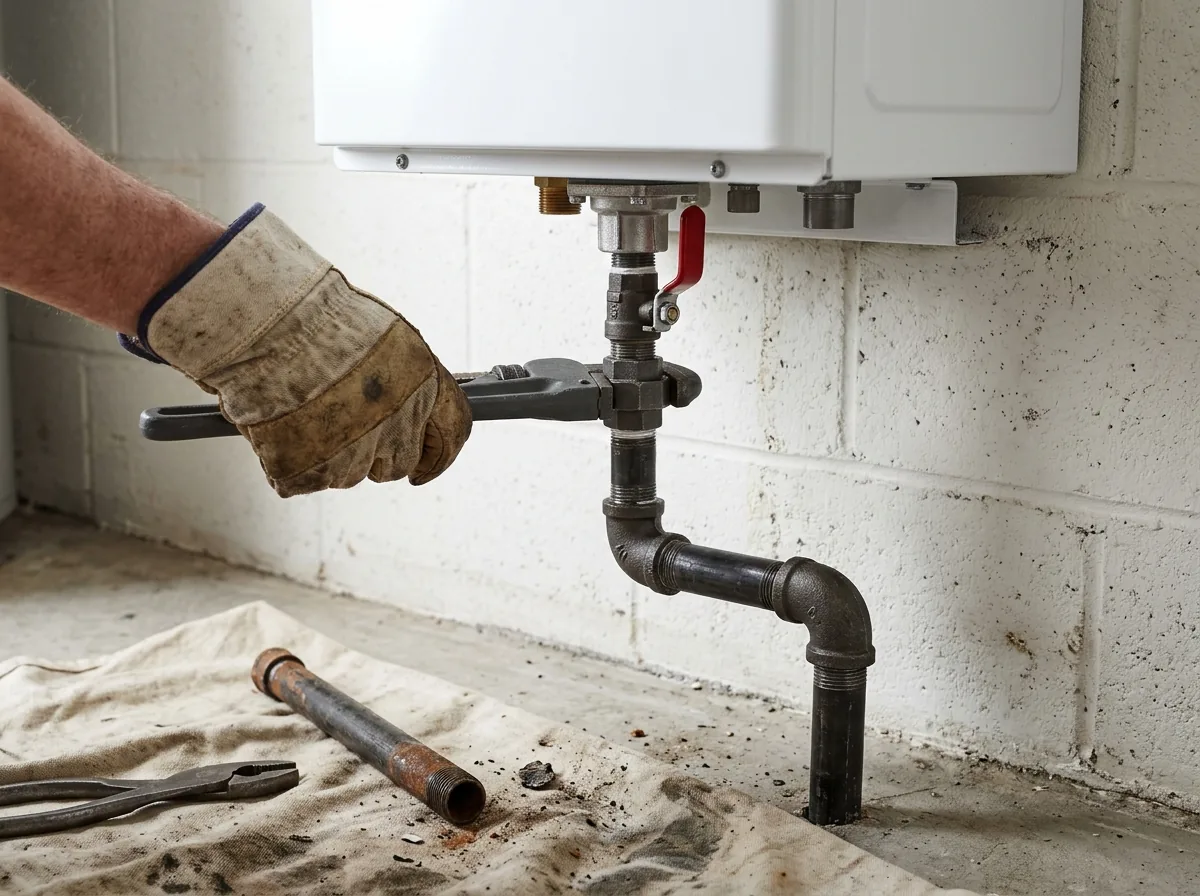
When a new appliance is added, the code says the existing piping has to be checked for capacity, and if it falls short it gets enlarged or a separate line of adequate size is run. In a garage swap, that can mean replacing the half-inch branch that fed the old tank.
- Half-inch out, three-quarter-inch in: This Old House prices the swap at $400 to $800.
- A 10- to 30-foot tap off the existing pipe for one nearby appliance: HomeGuide lists $350 to $800.
- Gas line work per foot: $15 to $50 or more installed (HomeGuide).
Only the new branch needs a pressure test; where it joins the old pipe, the code accepts a leak-detecting solution.
Running Gas to a Home That Never Had It
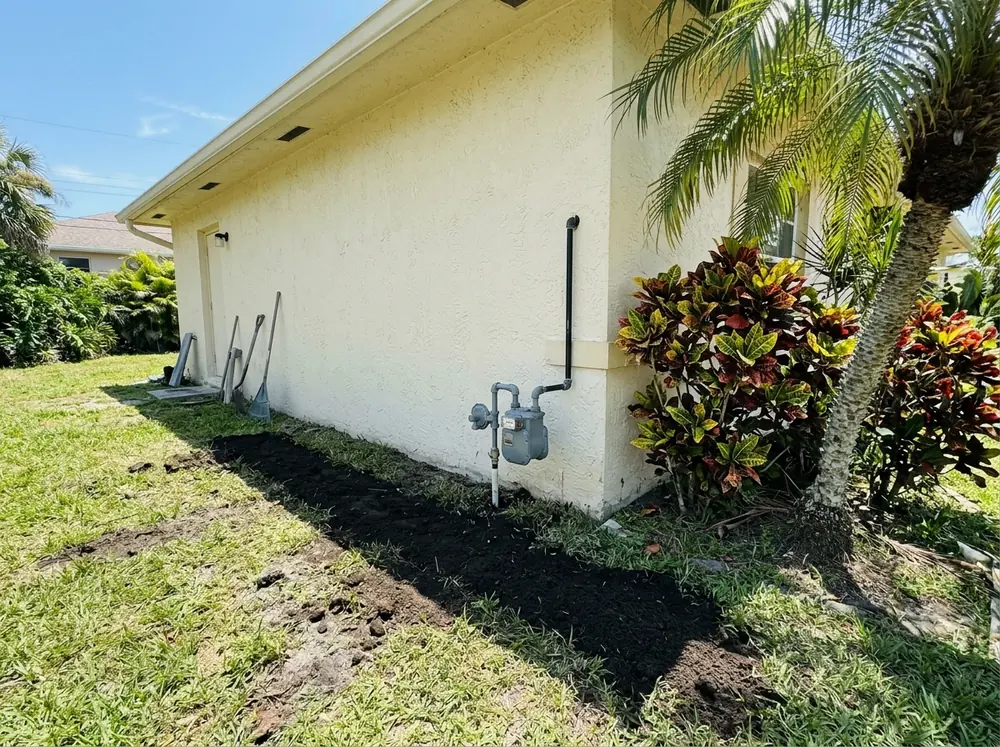
Most houses in Port St. Lucie have no gas: Census figures show 4.9% heat with utility gas. Florida City Gas can only connect a house that sits near one of its mains, so ask the utility about your address before anything else (see Florida City Gas service and rebates). Where a main does run past, HomeGuide prices a new service line from the street at $2,000 to $10,000 or more, and inside piping for a whole-house conversion at $2,200 to $7,500. Most utilities own the meter, so HomeGuide says to coordinate with the utility before any change at the meter. If no main is close, propane is the usual alternative.
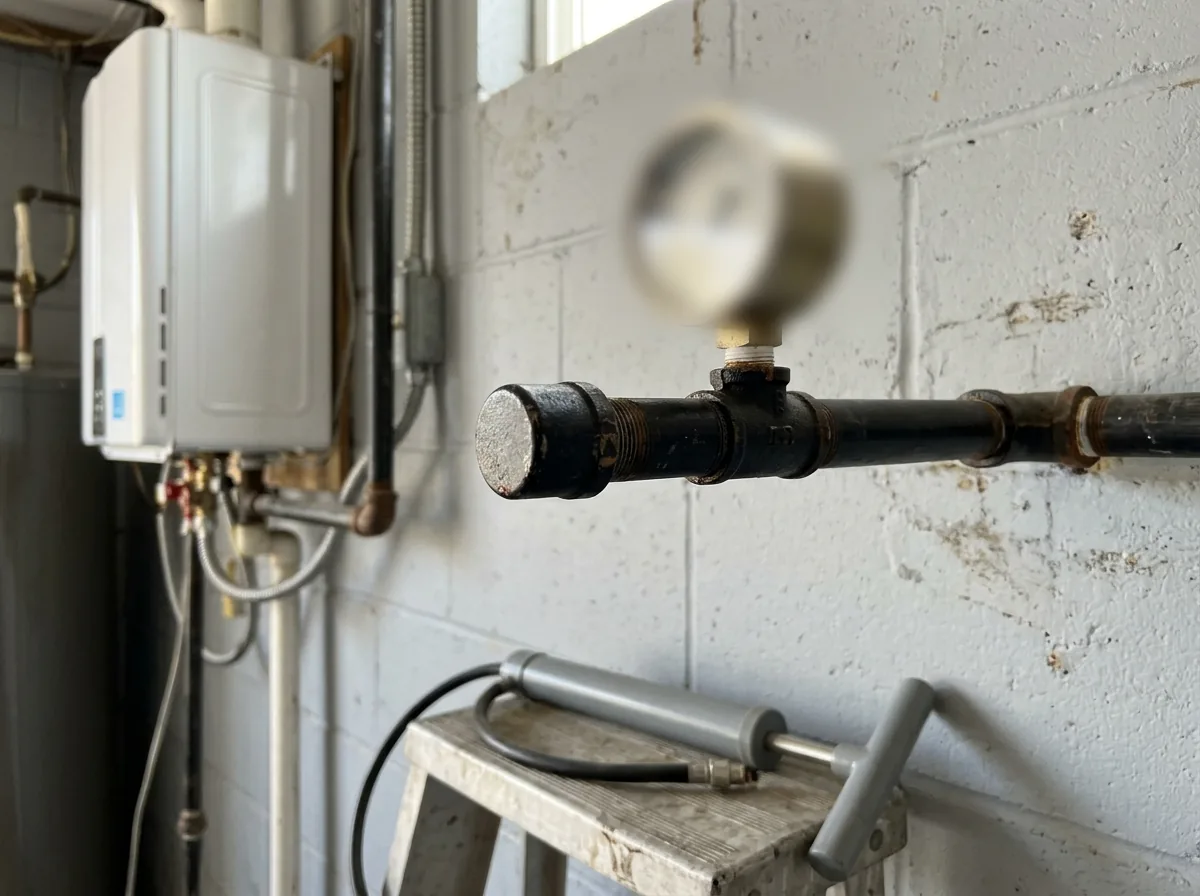
Pressure Test and Inspection
New gas piping is inspected and pressure tested before it goes into service. Under the Florida fuel gas code:
- Test pressure: at least 1.5 times the working pressure, and never below 3 psig.
- Duration: at least 10 minutes in a single-family home.
- Test medium: air, nitrogen, carbon dioxide or an inert gas, never oxygen.
- After the gas is turned on, the system is checked for leaks before any appliance is lit.
If the test is billed on its own line, HomeGuide's range for it is $75 to $150.
Port St. Lucie Gas Permits and What to Ask For
On the city's residential fee schedule the gas permit is its own line, apart from the water heater permit and its plan review. The city's pages don't say when a tankless swap needs both, so ask the contractor which permits the job will carry, or call the Building Department at 772-871-5132. A Florida plumbing contractor can run natural gas and LP lines under the plumbing license (license scope).
Ask for the quote to list:
Load count
Every gas appliance and its Btu input, added up.Pipe size and length
From the meter or tank to the heater, and the code table used.Material
Black iron or CSST; HomeGuide notes CSST needs bonding and grounding against lightning damage.Test and permit
Who files the gas permit, the test pressure, and whether the price includes the inspection visit.
Where the pipe ends, the vent run starts; see venting and wall terminals.