
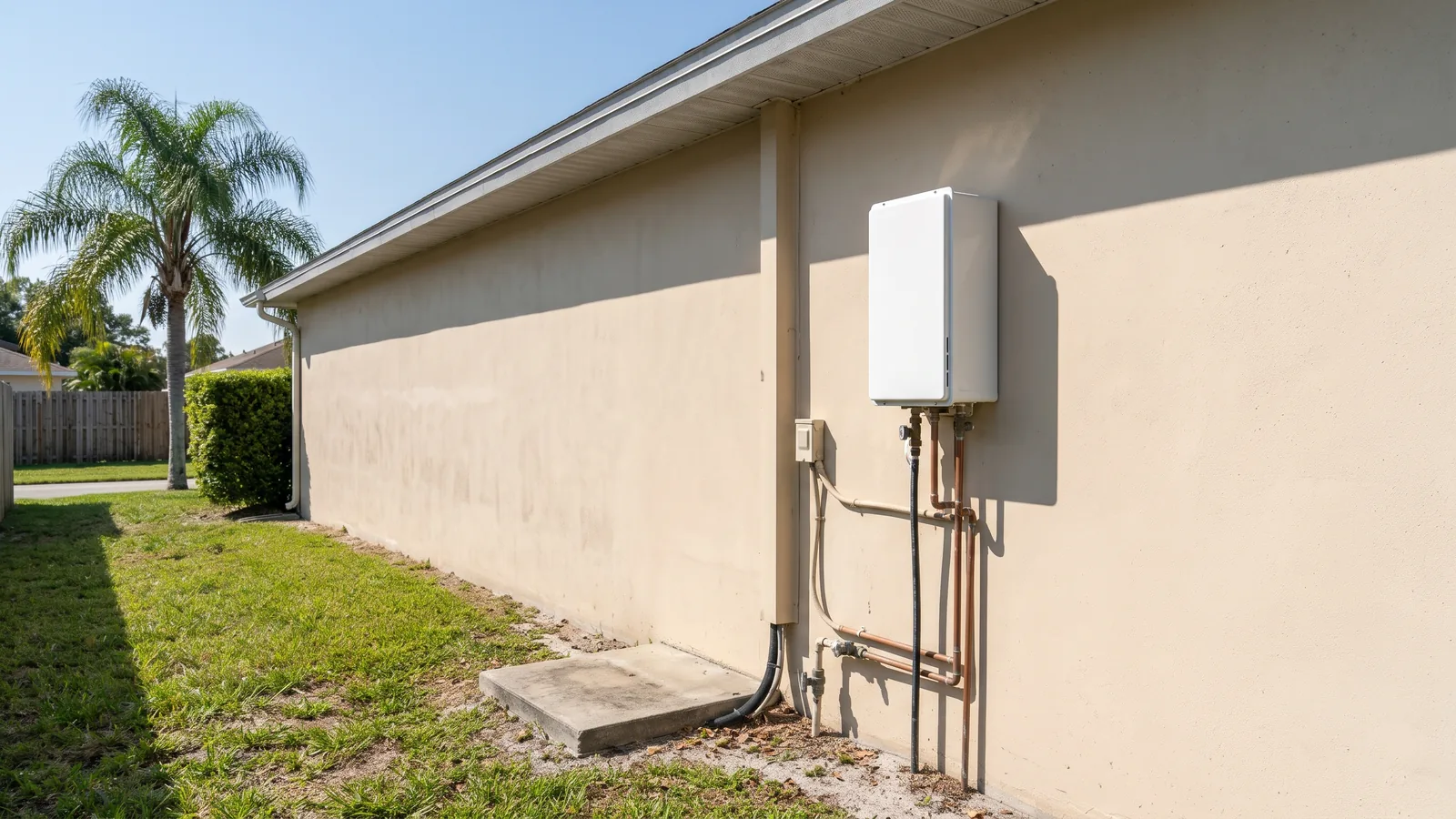
Tankless Sizing Steps for a Port St. Lucie House
A tankless heater has no stored hot water to fall back on, so its size is the most it can heat in one minute. Two numbers set that: how many gallons a minute you draw at peak, and how many degrees the water has to climb.
Flow Rate: Adding Up the Fixtures
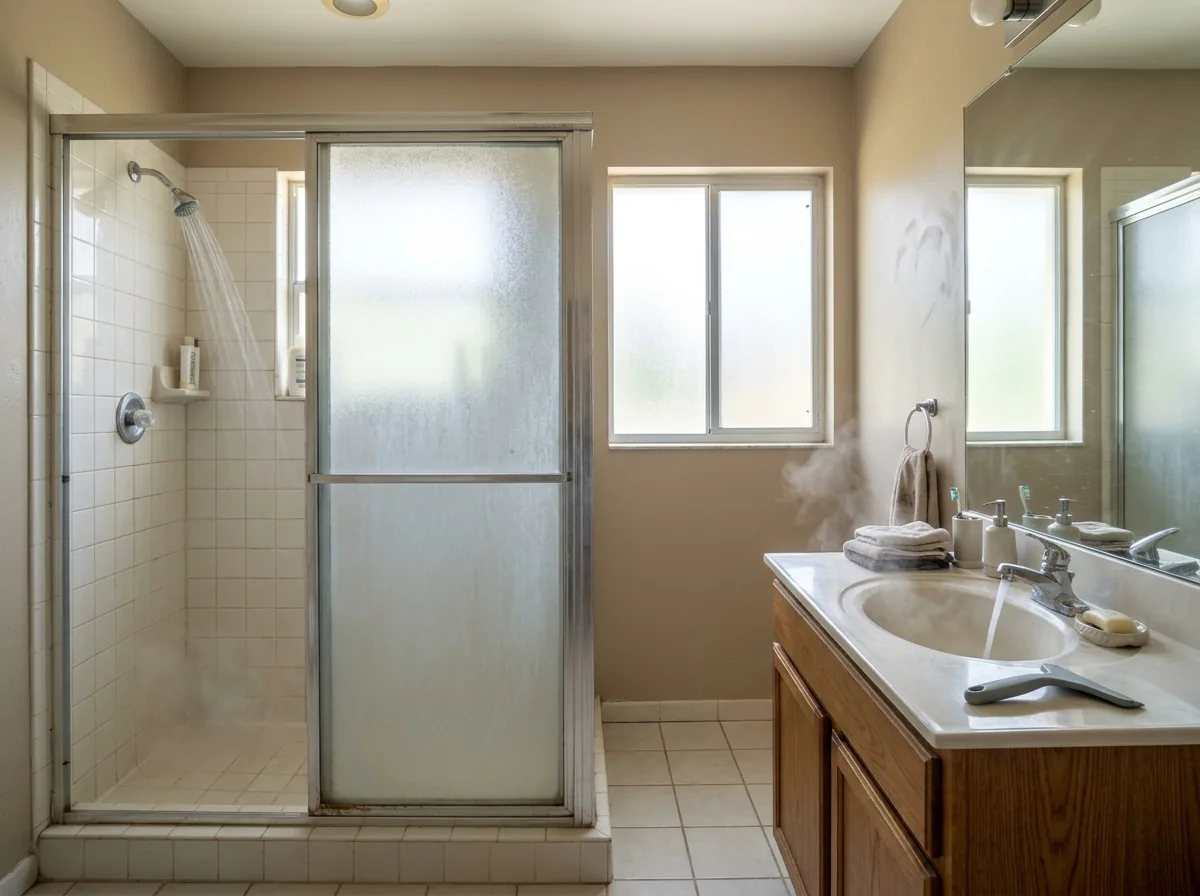
Picture the busiest five minutes of your day and list every hot tap open at once. The Department of Energy does it with a 2.5 GPM shower head and a 0.75 GPM faucet, landing on at least 3.25 GPM. Your own fixtures may use less than the code maximums.
- Shower head: up to 2.5 GPM under the Florida plumbing code; 2.0 GPM or less with EPA's WaterSense label
- Bathroom faucet: up to 2.2 GPM under the code; 1.5 GPM or less with WaterSense
- Kitchen sink faucet: up to 2.2 GPM under the code
Temperature Rise from 72-Degree Inlet Water
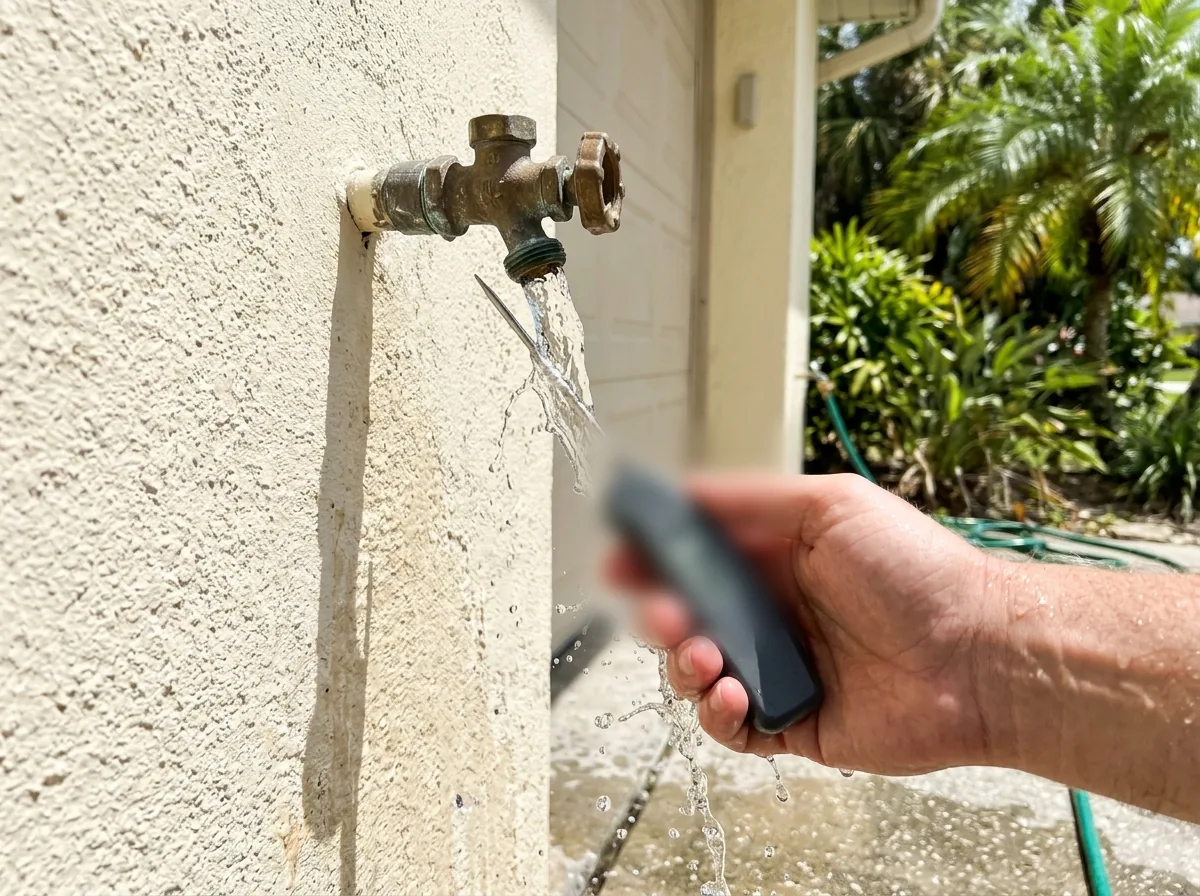
The rise is simply the setting minus what flows in from the street. DOE's default of 50°F suits much of the country. Rinnai's groundwater map colors the Florida peninsula as its 72°F zone; that's our reading of the map's colors, and Rinnai notes actual inlet temperatures shift with local conditions and seasons. At a 120°F setting the heater only lifts the water about 48 degrees, which is why a plumber working from a northern worksheet can oversize the unit.
- DOE default inlet: 50°F, giving a 70°F rise to 120°F
- Rinnai map zone for this area: 72°F, giving a rise of about 48°F
- Florida code ceiling for household tankless output: 140°F
Btu and kW Ratings at Warm Inlet Temperatures
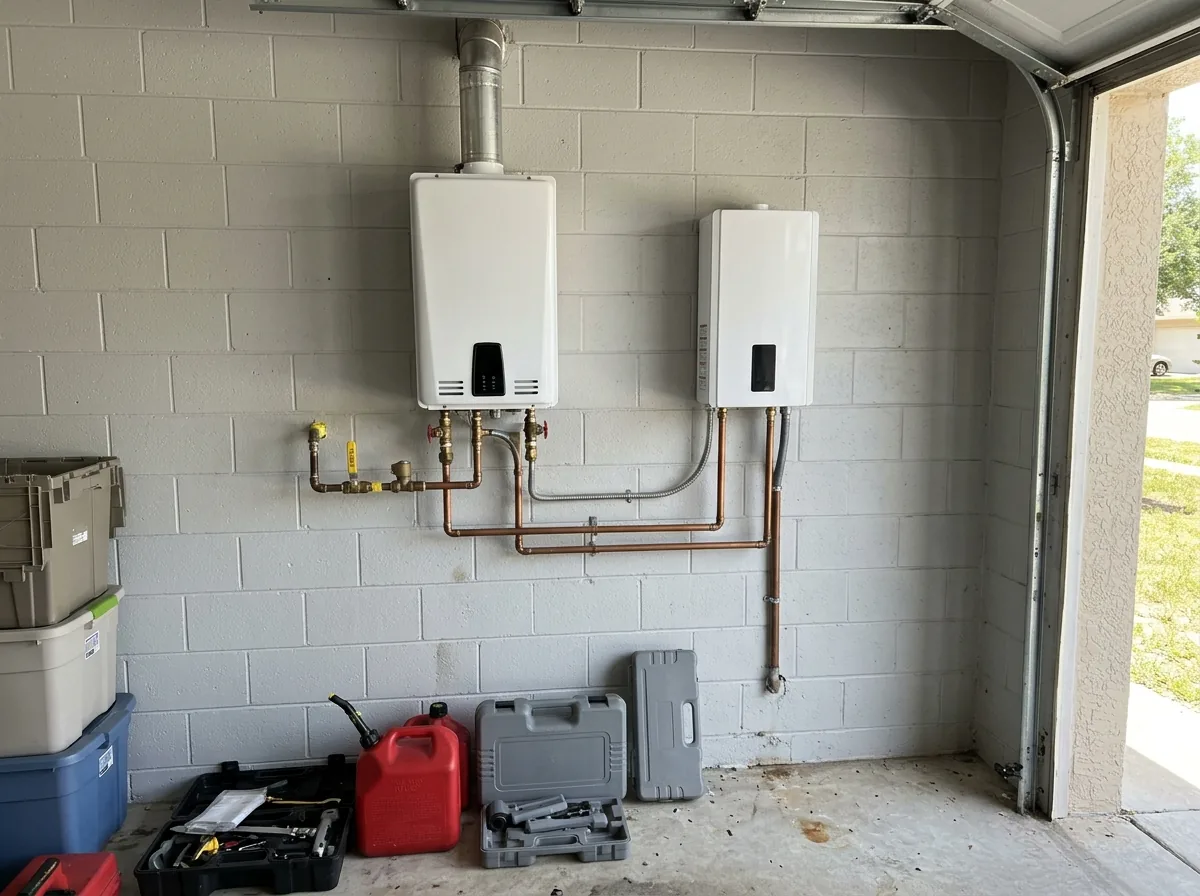
Gas units are rated in Btu per hour and electric units in kilowatts, but the useful figure is gallons a minute at your rise. Makers publish those charts, and warm water moves every model up the table.
- Rinnai 199,000 Btu gas unit (groundwater chart): 7.9 GPM of 105°F mixed water at a 72°F inlet, 5.6 GPM at 52°F
- Rinnai 160,000 Btu gas unit: 5.1 GPM at 72°F, 3.6 GPM at 52°F
- Rinnai RL94i: 7.1 GPM at a 45°F rise
- EcoSmart ECO 27 (27 kW electric): 5.2 GPM with 70°F inlet water, 3.4 GPM with 50°F, both at a 105°F setting
- Stiebel Eltron Tempra 29: a 66°F maximum rise at 3 GPM
Electric units carry the bigger wiring question; see breaker and amp load before settling on a kW rating.
One Unit or Two for Larger Homes
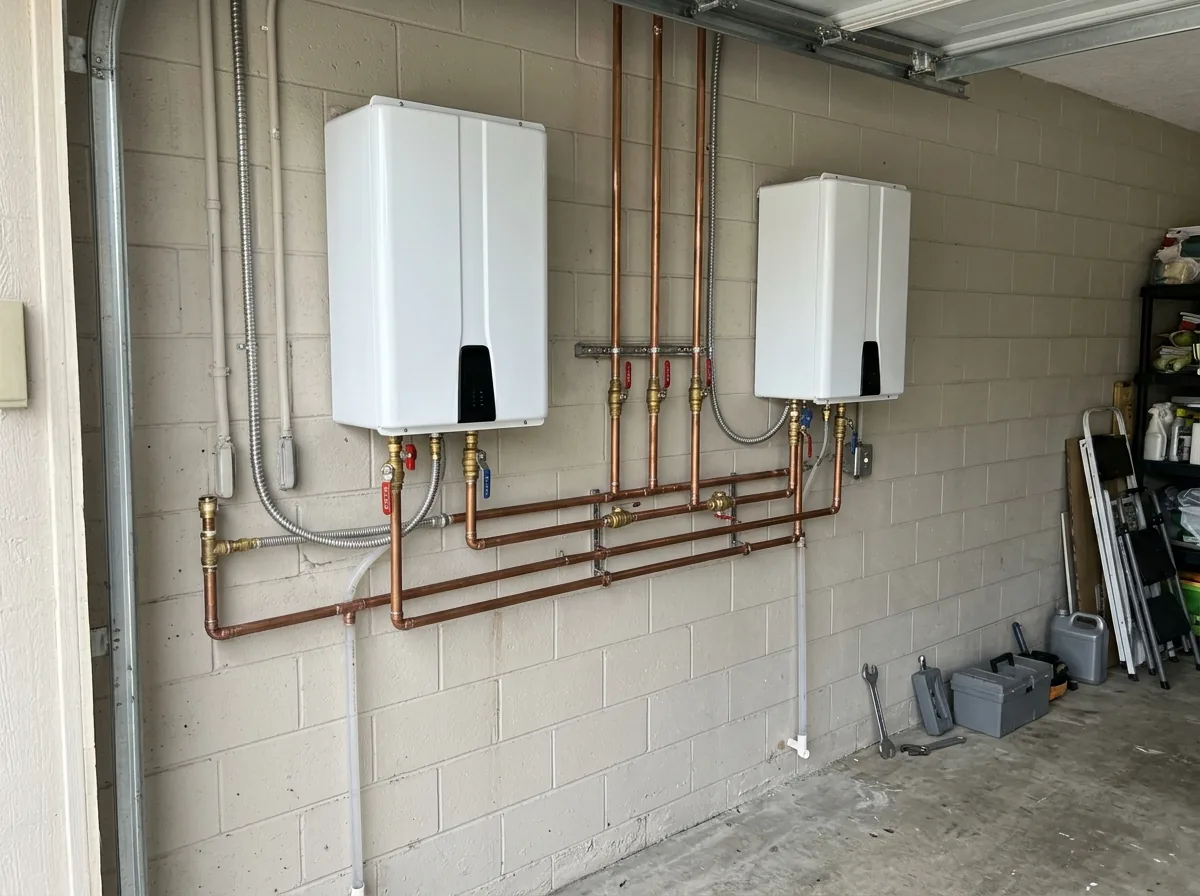
In DOE's words, showering while the dishwasher runs can push one tankless heater past what it can deliver. Its answer for heavy demand is two or more heaters, or a separate one for certain appliances. In a long single-story layout, a second unit near the far bathrooms can also cut the wait for hot water, which a recirculation pump handles another way.
- Angi's national unit prices: 120,000-140,000 Btu gas units $500 to $1,200; 180,000-200,000 Btu $900 to $2,200
- Angi's 27-36 kW electric units, sized for larger homes: $420 to $800
Why Port St. Lucie homeowners and businesses call Port St. Lucie Tankless Water Heater
- Sending a request is free and doesn't commit you to anything
- Your details go to one licensed plumber, never a list of callers
- Ask for the unit's flow rate at your water temperature in writing
- Ask who files the city permit and books the inspection
- The referral adds nothing to the plumber's price
Checking a Sizing Quote Before You Sign
Three things on paper tell you whether the size was worked out or guessed:
Peak flow
The GPM figure and which fixtures it assumes, e.g. "two showers plus kitchen sink".Inlet temperature used
72°F and 50°F give different answers; ask to see both.Supply limits
The gas line or breaker size the unit needs. Gas upsizing is priced on the gas line page.
A practical point: the gas or electrical supply often sets the limit before the heater's rating does. A unit sized for 50°F inlet water may call for a gas line or panel change that the 72°F numbers never needed, so get the 72°F figure in writing before paying for an upgrade.