
Expansion Tank Jobs by Heater and Supply
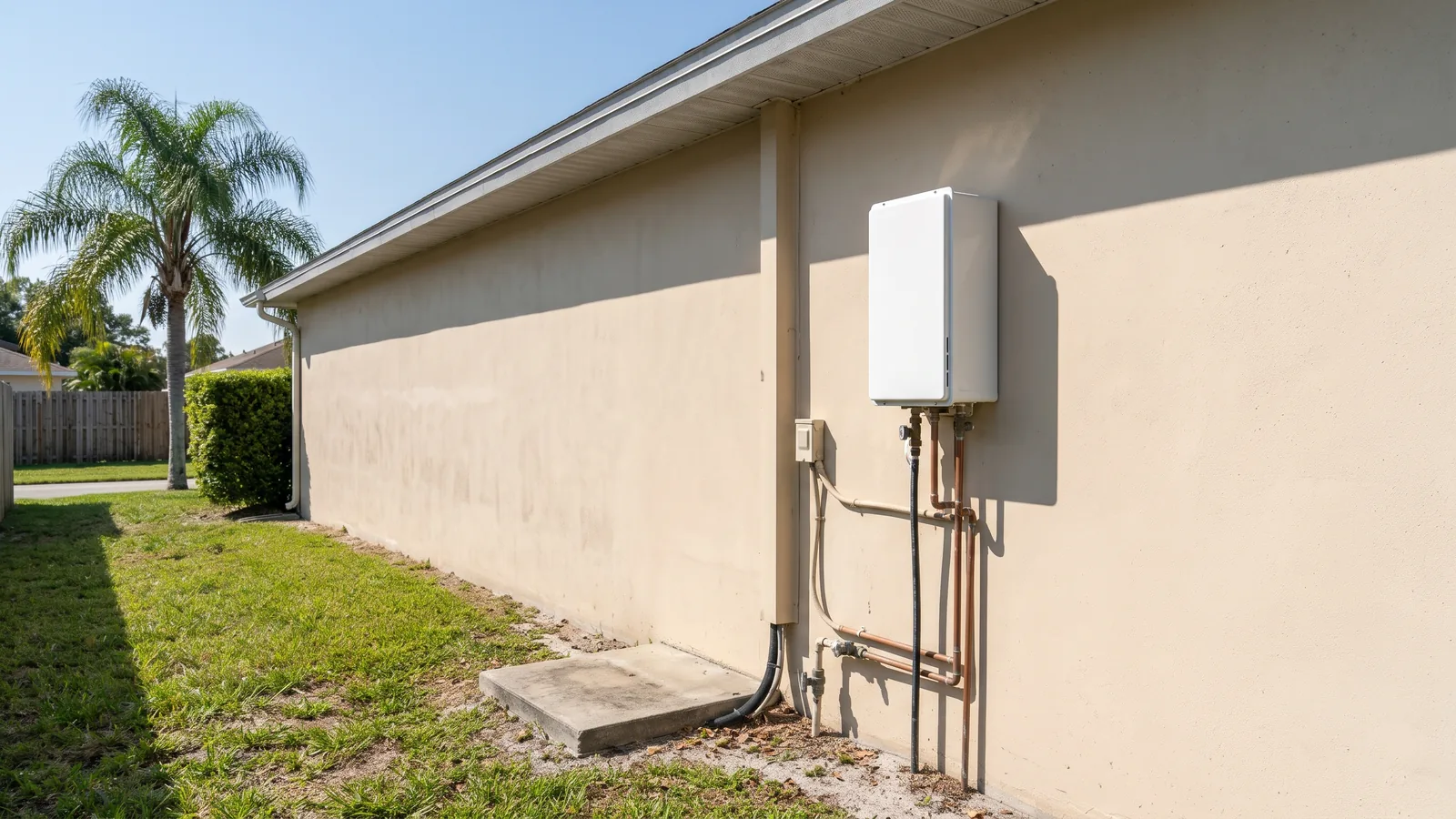
Water grows in volume as it heats. In an open system the extra pushes back toward the street main. Once a check valve, pressure regulator or backflow preventer blocks that path, the extra volume can only push on the relief valve, the fixtures and the pipes. A small tank with an air cushion behind a rubber bladder takes up the slack.
Expansion Tanks on Storage Water Heaters
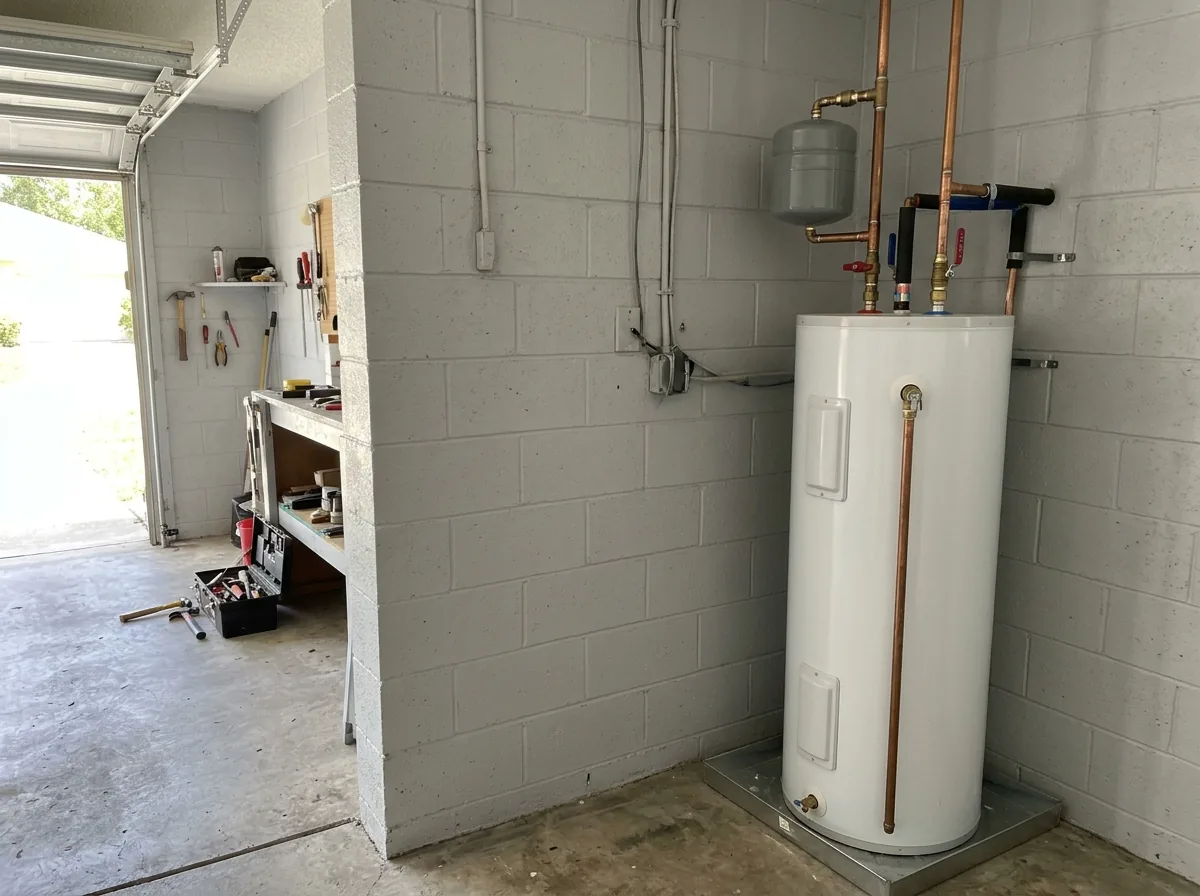
This is where the code rule sits. Section 607.3 of the 2023 Florida Building Code, Plumbing applies to storage heaters on a closed supply. The device goes on the heater's cold supply pipe, downstream of every check valve, regulator and backflow preventer. It must be sized to the maker's instructions so system pressure stays within the 80 psi limit.
- Angi's sizing guide: a 40-60 gallon heater at 40-50 psi takes a 2-gallon tank; at 60-80 psi, a 3.2-gallon tank
- Typical tank sizes: 2 to 5 gallons (HomeServe)
- Tank only: $40 to $200 depending on size (Angi)
Whether a Tankless Unit Needs One
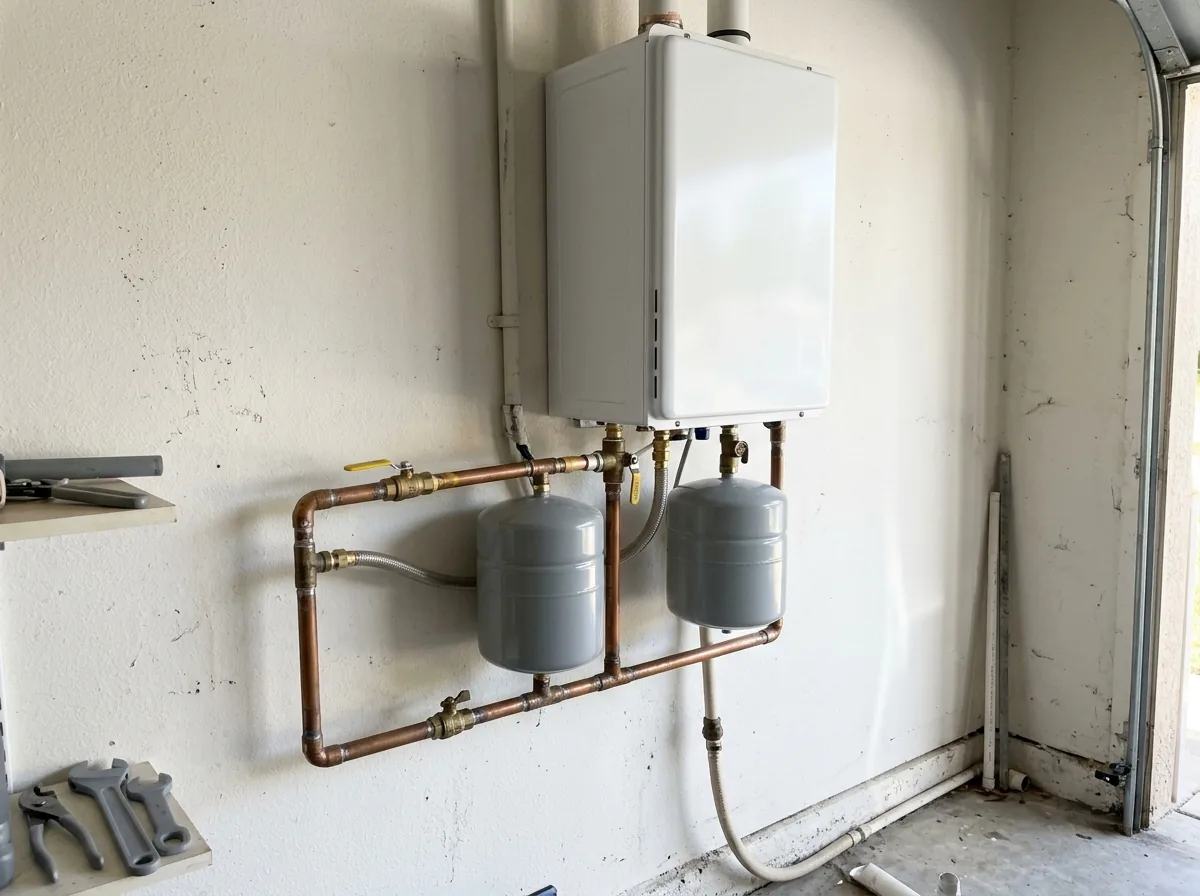
The sources disagree, and the difference matters. The cost guides from Angi and HomeServe say a tankless heater doesn't need an expansion tank because it stores almost no hot water. Rinnai's installation manual takes the other side: a closed supply, for example one fitted with a backflow preventer, needs some means of controlling thermal expansion, and it sends installers to the local utility or inspector for the method. Florida's 607.3 wording names storage heaters only.
- Ask the plumber which the heater's own manual requires
- Ask whether your supply is closed before paying for a tank, or for removing one
Meters with Check Valves and Pressure Regulators
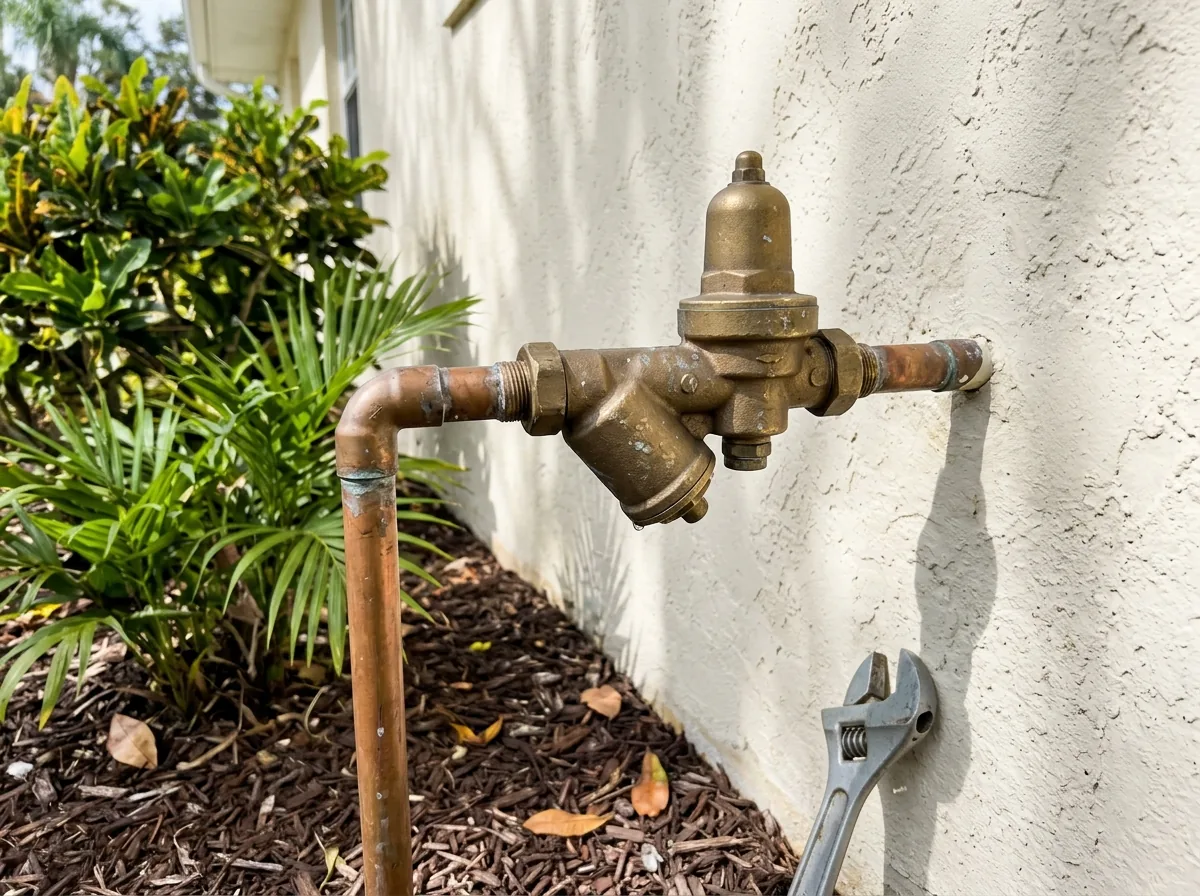
Whether your house is closed depends on the parts between the street and the heater. A pressure-reducing valve is one of them, and it's required by code once static pressure goes over 80 psi. A backflow preventer or check valve at the meter is another. The water supplier knows what's installed on its side of the meter.
- Code trigger for a pressure-reducing valve: over 80 psi static
- Rinnai's range for best tankless performance: 30 to 80 psi; minimum 20 psi; maximum 150 psi
Relief Valves and Pressure Checks
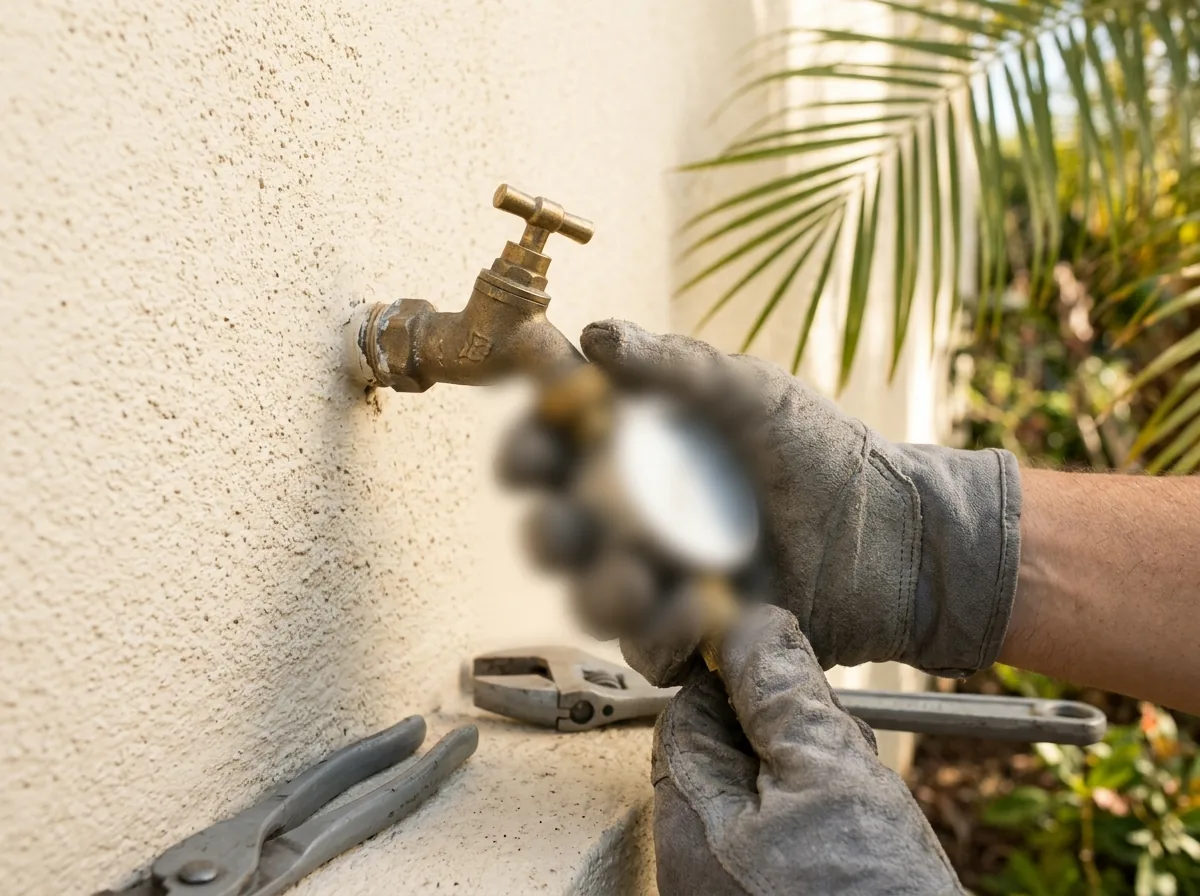
A gauge on a hose bib reads the house's static pressure in a minute, and it's the cheapest check before any part is bought. On a storage tank, the T&P valve and its discharge pipe follow the code rules covered on the water heater replacement page. Rinnai's tankless units also need an approved pressure relief valve; a combination T&P valve isn't required by Rinnai, though local codes may ask for one.
- Rinnai relief valve rating: up to 150 psi
- Manual test: once a year
- Plumber's hourly rate for a check: $45 to $200 (Angi)
Why Port St. Lucie homeowners and businesses call Port St. Lucie Tankless Water Heater
- Sending a request is free and doesn't commit you to anything
- Your details go to one licensed plumber, never a list of callers
- Ask for the unit's flow rate at your water temperature in writing
- Ask who files the city permit and books the inspection
- The referral adds nothing to the plumber's price
Before the Expansion Tank Goes In
An expansion tank is often added during a heater replacement, which already goes through permit and plan review at the city. If you're adding one on its own, ask the plumber whether a permit applies. For a leaking or failing tank heater, see water heater repair.
Get these in writing:
Static pressure reading
The number on the gauge, before and after any regulator.Why the tank is needed
Closed supply, pressure, or the heater maker's manual.Tank size
Matched to the heater and the house pressure.